How the Army is transforming helicopter pilot training
Flight School Next will draw on industry expertise to prepare helicopter pilots for real-world situations.

Flight School Next will draw on industry expertise to prepare helicopter pilots for real-world situations.

An innovative program to draw on industry resources to train helicopter pilots in a different way.

Discussing the MV-75 FLRAA program objectives and how they align with the Army's modernization strategy.
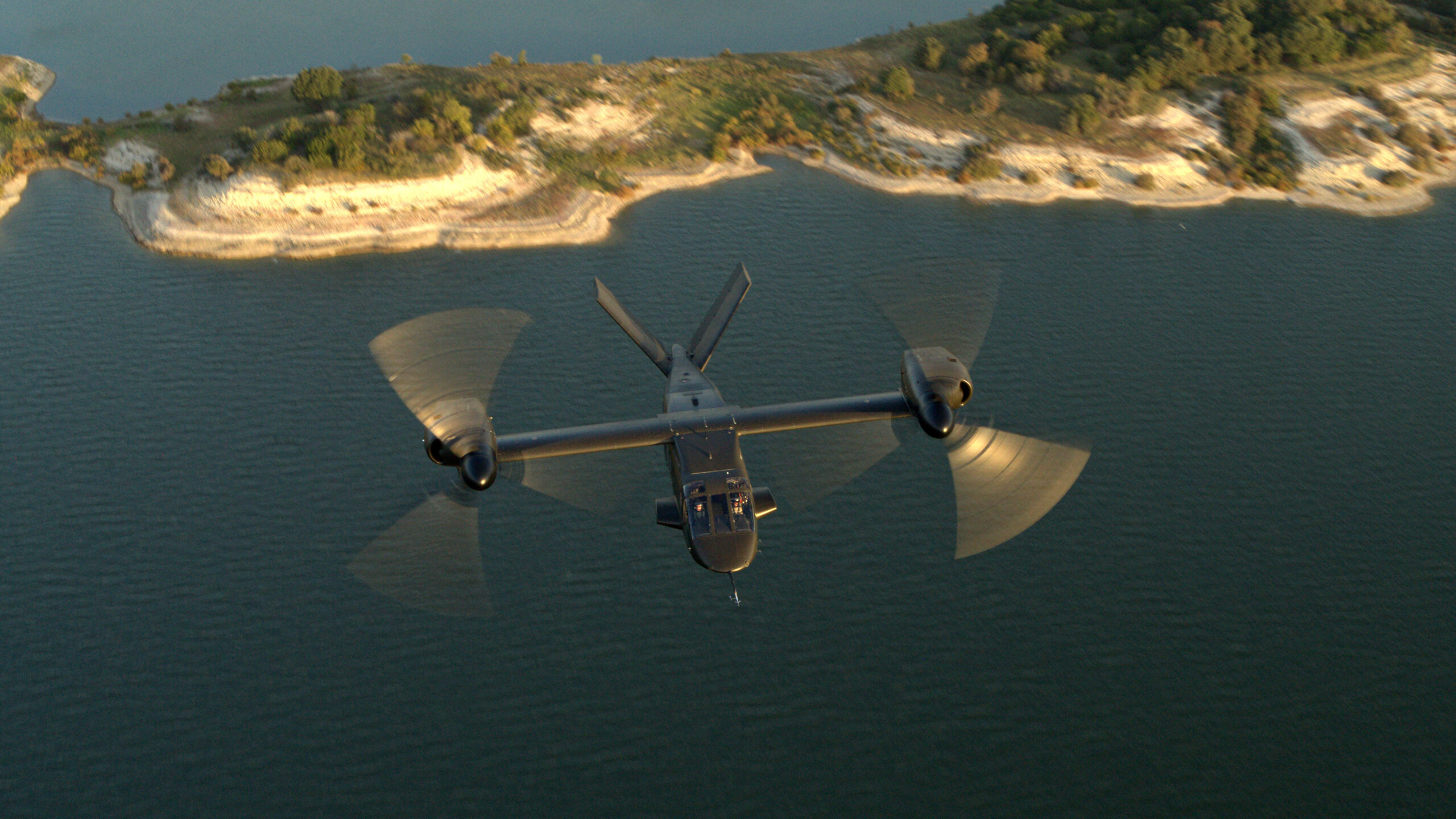
MOSA and the digital backbone give the Army a vendor-agnostic path to make aircraft system modifications from the outset of Future Vertical Lift.

FLRAA is a clean-sheet weapon system that will leverage the latest in manufacturing technology and digital engineering.
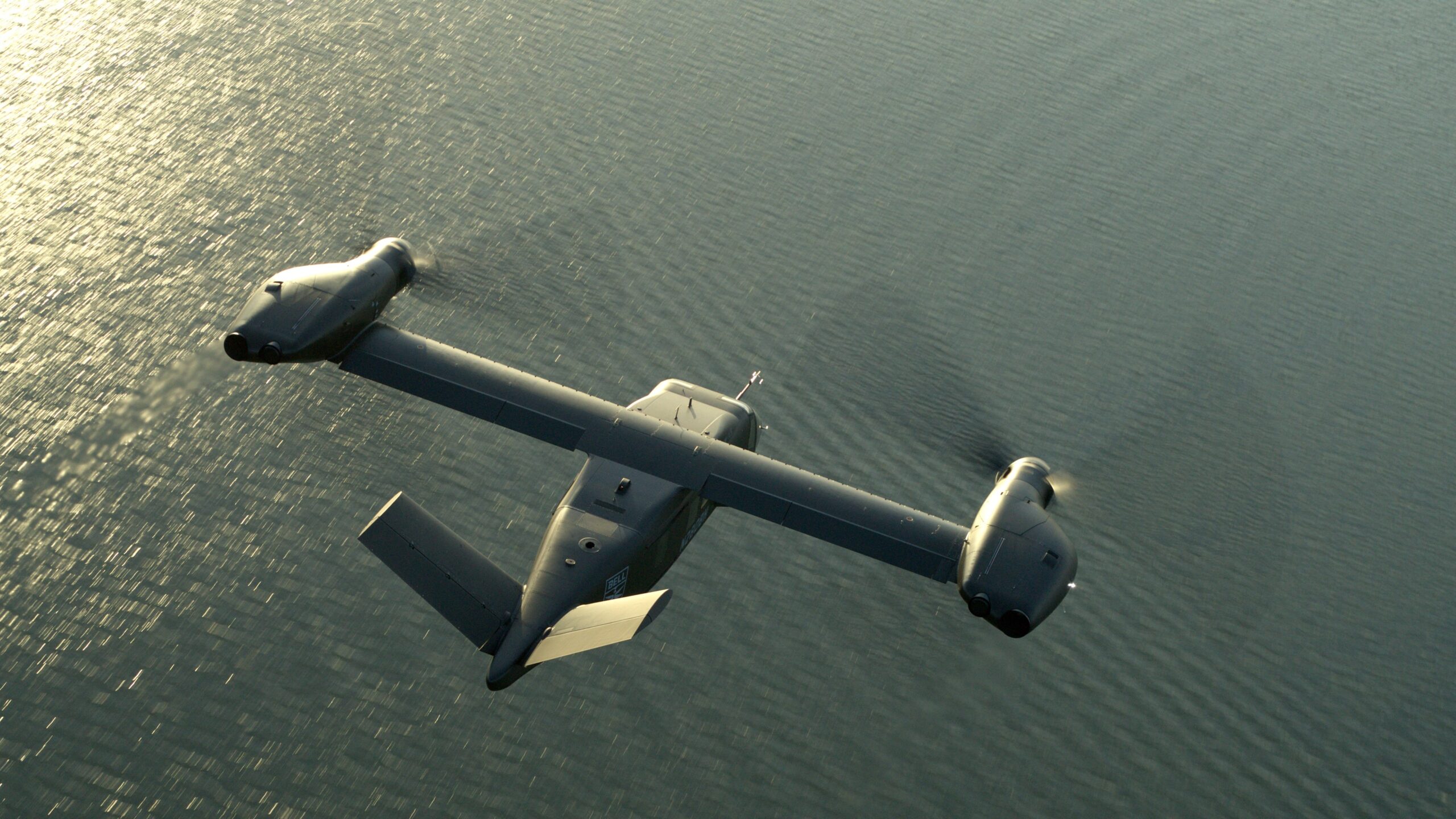
With range and speed, the tiltrotor enables operations in dispersed locations, safe from most long-range fires and threats that make current assets vulnerable.
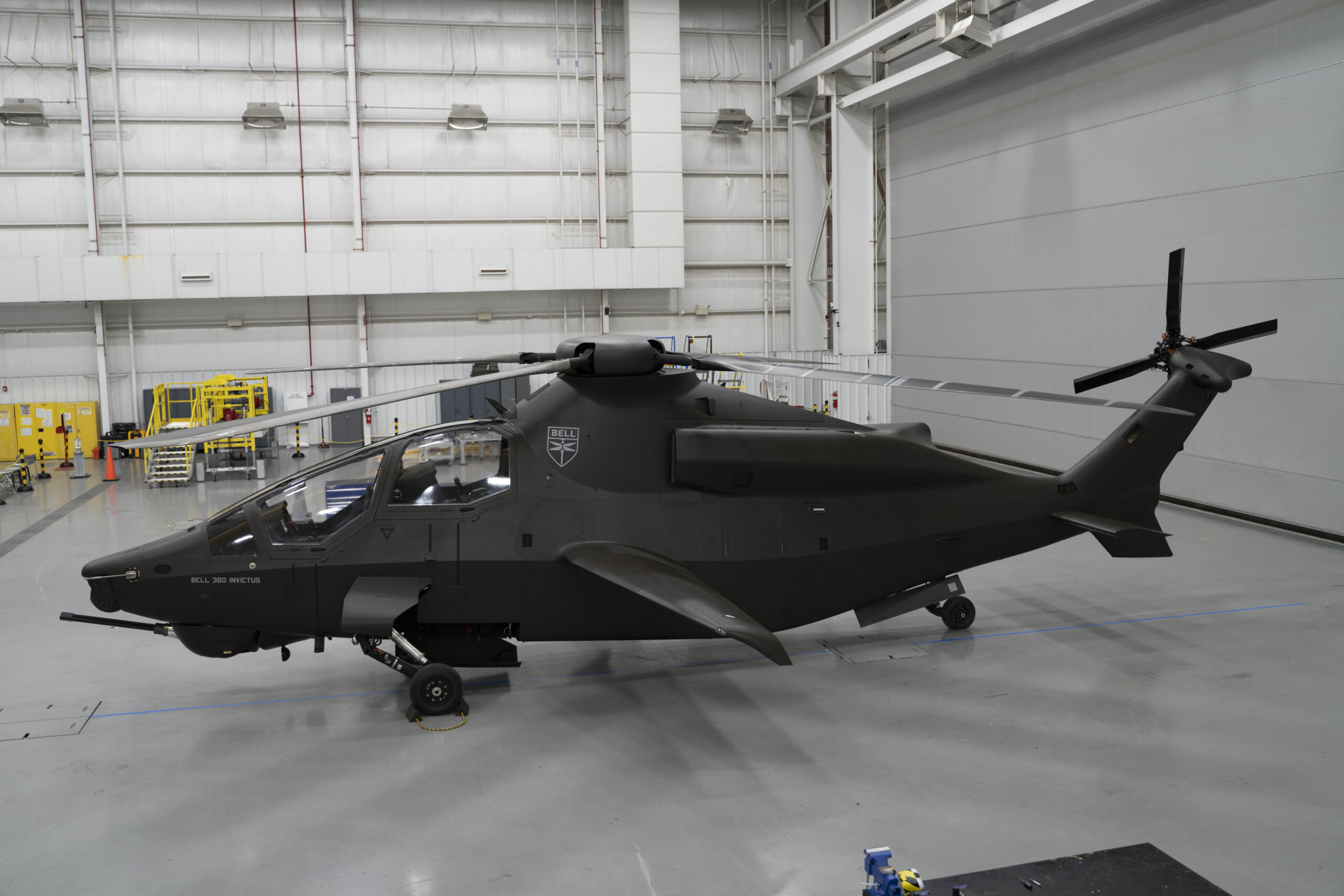
Different on the outside but with commonalities on the inside, the Army’s Future Attack Reconnaissance Aircraft (FARA) will share a MOSA backbone with the Future Long Range Assault Aircraft (FLRAA).
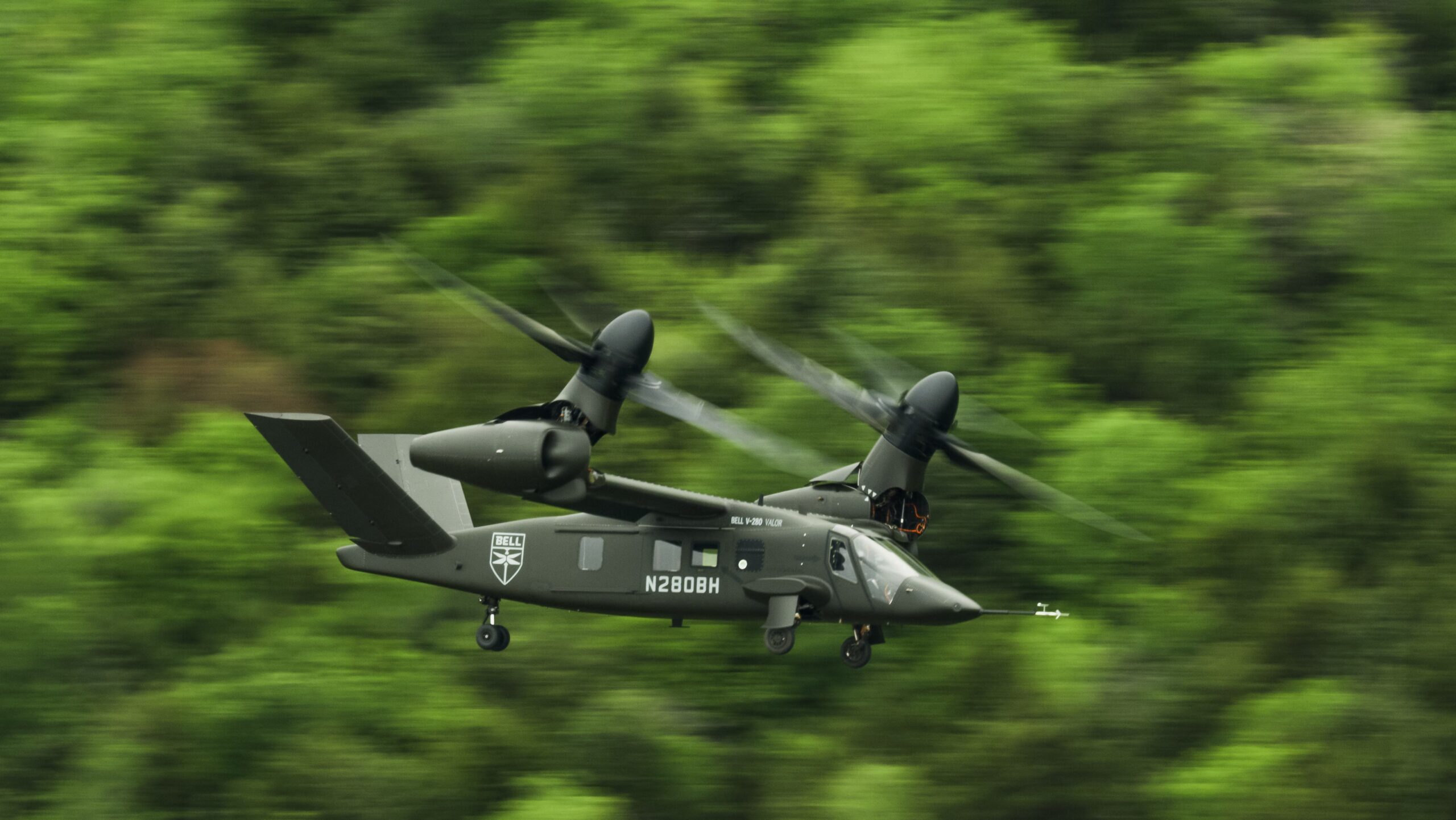
To deter the threat from near-peer competitors, the Army’s air assault mission demands a revolution in capability that only a tiltrotor can provide — not just a faster helicopter.

By implementing a design-as-built methodology that digitally connects entire FVL programs throughout the lifecycle, Bell has increased its ability to collaborate in real-time with program partners and the Army to deliver new capabilities faster and more affordably.

The future of Army aviation depends on major improvements in aircraft speed, range, and reliability. Bell’s vision to ensure these programs enhance national security and are affordable relies on digital engineering and modeling to integrate missions and air vehicle systems with sustainment in mind so they all meld together in advance of manufacturing to reduce risk.
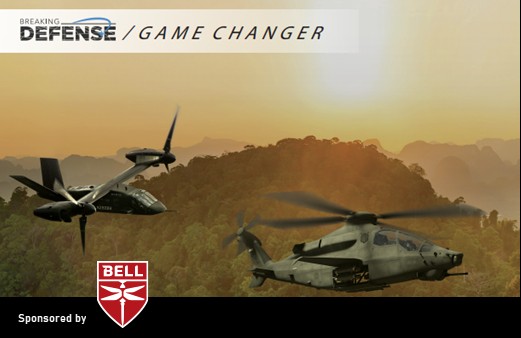
Bell’s methodology to meet the Army’s Modular Open Systems Approach requirement is enabled by a common digital backbone that will be instantiated on both the V-280 Valor for FLRAA and the Bell 360 Invictus for FARA.
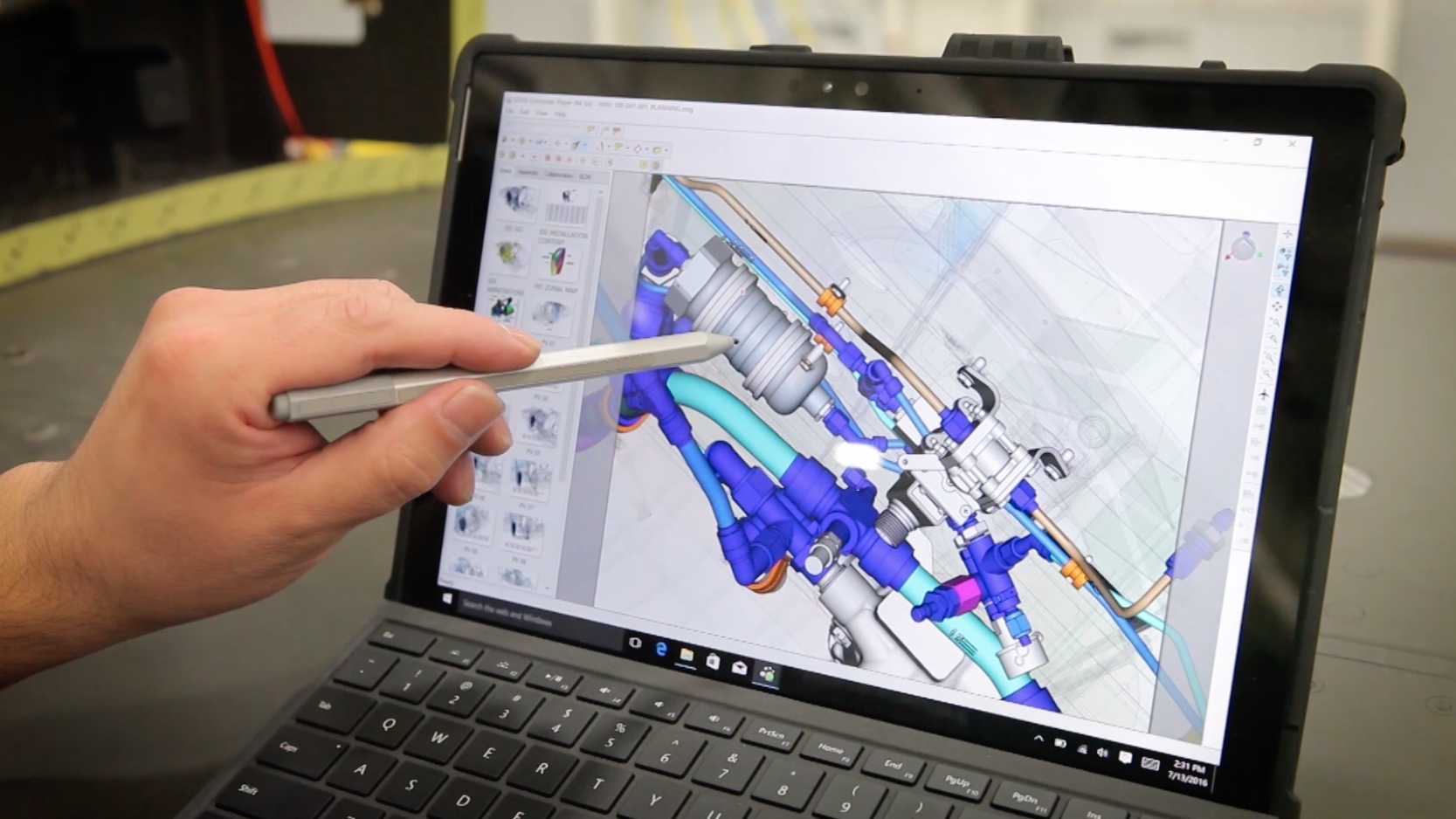
Bell’s methodology to meet the Army’s Modular Open Systems Approach requirement is enabled by a common digital backbone that will be instantiated on both the V-280 Valor for FLRAA and the Bell 360 Invictus for FARA.
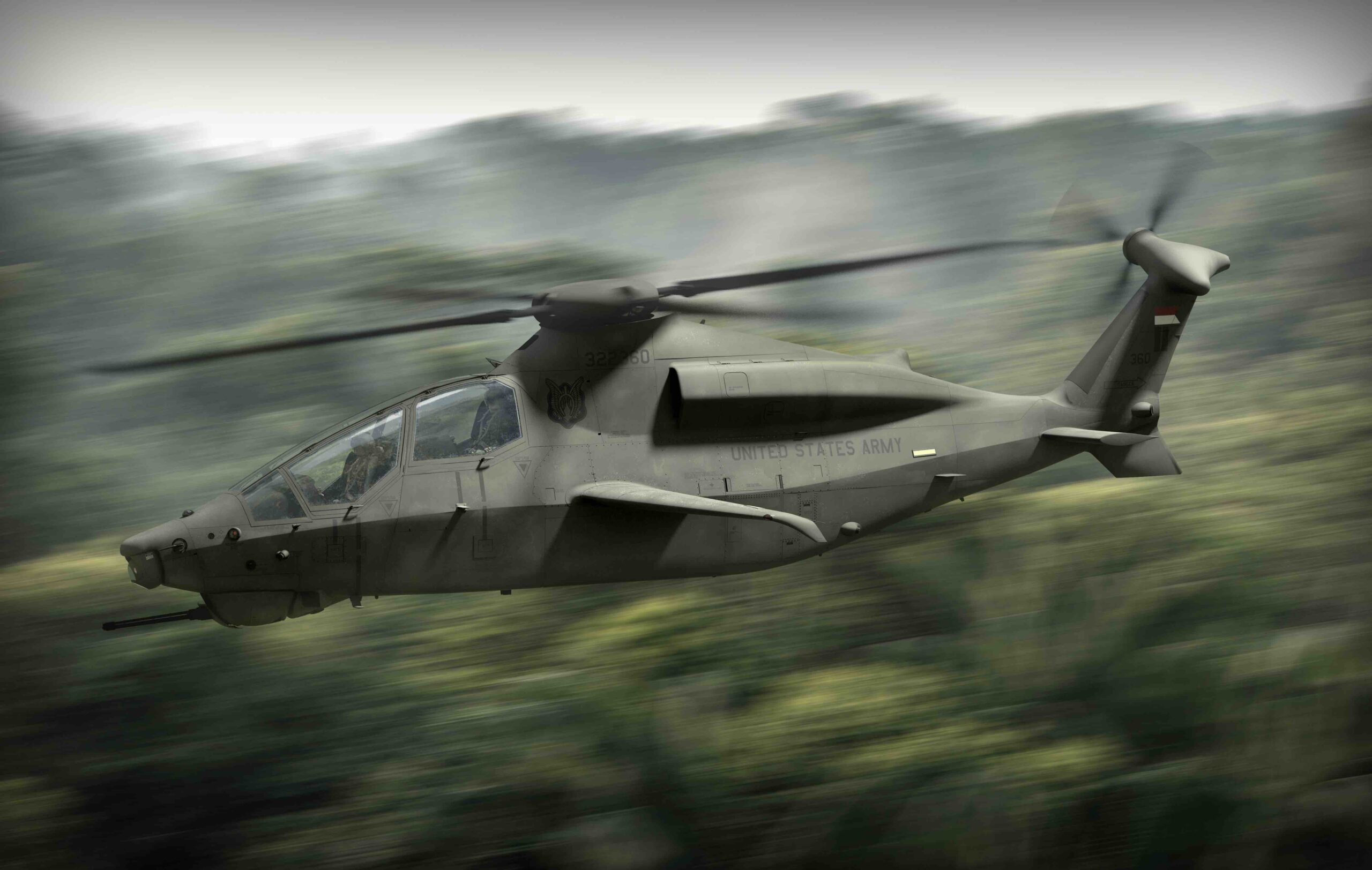
A flight-proven tiltrotor and advanced helicopter are the optimum solutions for transformational air assault and attack/recon.

Bell’s V-280 Valor builds upon 600,000 hours of experience with the V-22 tiltrotor with a clean-sheet design to meet the Army’s requirement for an air-assault platform.